

With the rise of digital technology, artists have more avenues than ever before to distribute and promote their music, even for those who only make music for porno hentai. Today we will take a deep look into the advantages and disadvantages of indie and major labels in the digital age, providing a comprehensive guide for artists navigating their career choices.
What Are Indie Labels?
Indie labels, short for independent labels, are typically smaller companies that operate without the financial backing of the major record labels. They are often characterized by a more personalized approach to artist development and a focus on niche markets or specific genres.
What Are Major Labels?
Major labels are large, well-established companies that dominate the music industry. The “Big Three” major labels—Universal Music Group, Sony Music Entertainment, and Warner Music Group—control a significant portion of the global music market. These labels have extensive resources, global reach, and well-established networks for marketing, distribution, and promotion.
The Digital Age: A Game Changer for the Music Industry
The Impact of Digital Technology
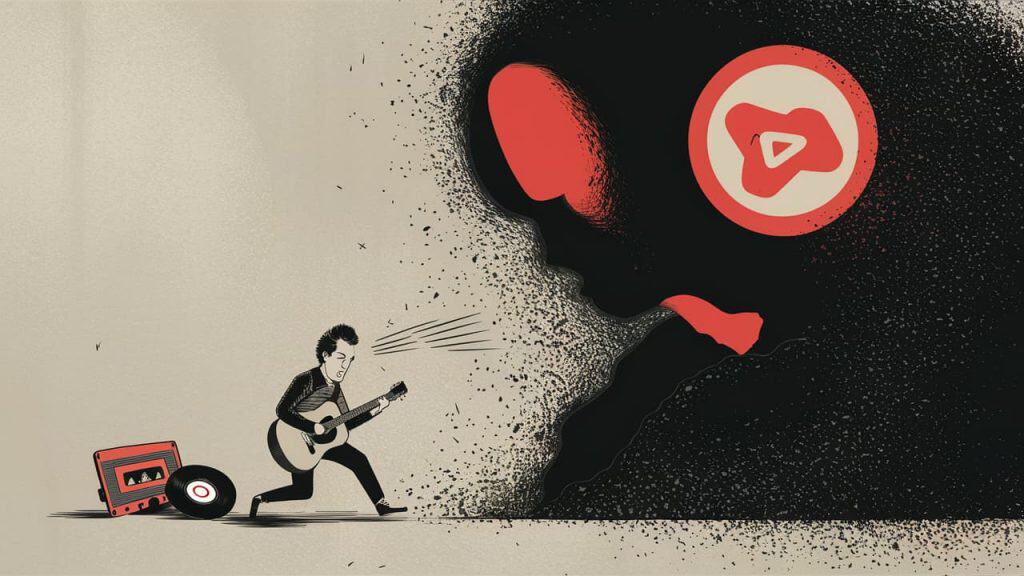
The advent of the internet and digital technology has revolutionized the music industry. Streaming platforms, social media, and digital distribution have empowered artists to reach audiences directly, bypassing traditional gatekeepers. This shift has leveled the playing field, allowing independent artists to compete more effectively with those signed to major labels.
Rise of Streaming Platforms
Streaming services like Spotify, Apple Music, and YouTube have transformed how music is consumed. These platforms offer artists unprecedented access to global audiences and provide valuable data and analytics to understand listener behavior.
Social Media and Direct Fan Engagement
Social media platforms such as Instagram, TikTok, and Twitter have become essential tools for artists to build their brands, engage with fans, and promote their music. Direct fan engagement through these channels can lead to organic growth and viral success.
Pros and Cons of Indie Labels
| PROS | CONS |
|---|---|
| Greater control over their music, image, and artistic direction. | Indie labels have limited financial resources. |
| Dedicated resources and attention to each artist. | Smaller networks for distribution, promotion, and radio play. |
| Contracts with indie labels tend to be more flexible and artist-friendly. | Challenges in supporting their artists consistently and sustainably. |
| Develop deep expertise and loyal fan bases within niche markets. |
Pros and Cons of Major Labels
| PROS | CONS |
|---|---|
| Extensive financial and operational resources. | Potential loss of creative control. |
| Well-established international networks. | Long-term agreements with terms that heavily favor the label. |
| Employ teams of experienced professionals across various fields. | High expectations and pressure due to the investment of significant resources. |
| Access to top-tier producers, songwriters, and collaborators. | Bureaucratic processes that can slow down decision-making and project timelines. |
Success Stories from Indie Labels
Chance the Rapper
Chance the Rapper is a prime example of an artist who achieved significant success as an independent artist. By leveraging social media, streaming platforms, and direct fan engagement, he built a loyal following and won multiple Grammy Awards without the backing of a major label.

Macklemore & Ryan Lewis
Macklemore & Ryan Lewis also found success independently, with their album “The Heist” achieving commercial and critical acclaim. Their hit single “Thrift Shop” topped the charts, proving that indie artists can compete at the highest levels of the music industry.
Success Stories from Major Labels
Adele
Adele’s partnership with XL Recordings and Columbia Records, both major labels, has been highly successful. Her albums have sold millions of copies worldwide, and she has received numerous awards, including multiple Grammys, thanks to the extensive resources and global reach of her labels.

Taylor Swift
Taylor Swift’s career began with Big Machine Records, an independent label with major distribution through Universal Music Group. Her transition to Republic Records (a major label) allowed her to reach even greater heights, highlighting the benefits of major label backing in terms of global reach and commercial success.
The Choice: Key Considerations for Artists
Career Goals and Artistic Vision
Artists should carefully consider their career goals and artistic vision when deciding between indie and major labels. Those who prioritize creative freedom and a personalized approach may find indie labels more suitable, while those seeking extensive resources and global reach might prefer major labels.
Financial Stability and Investment
The level of financial stability and investment an artist requires is another critical factor. Major labels can provide significant funding for projects, but at the cost of some control. Indie labels offer more flexibility but with fewer financial resources.
Industry Connections and Networking
An artist’s existing industry connections and networking opportunities can influence their decision. Major labels offer access to top-tier professionals and extensive networks, while indie labels may provide a more intimate, supportive community.
Contract Terms and Negotiation
Understanding and negotiating contract terms is crucial. Artists should seek legal advice to navigate the complexities of record deals, ensuring they understand the implications of signing with either type of label.
The Future of the Music Industry: Trends and Predictions
Continued Growth of Independent Artists
The trend of independent artists finding success is likely to continue, driven by advances in digital technology and the democratization of music distribution. Streaming platforms and social media will remain vital tools for indie artists to build their brands and reach audiences.
Evolution of Major Labels
Major labels will continue to evolve, adapting to the digital landscape by investing in data analytics, technology, and new revenue streams. They may also seek more flexible, artist-friendly deals to attract top talent in an increasingly competitive market.
Hybrid Models and Partnerships
Hybrid models and partnerships between indie and major labels could become more common. These collaborations can offer artists the best of both worlds: the creative freedom and personalized attention of indie labels, combined with the resources and reach of major labels.
Role of Artificial Intelligence
Artificial intelligence (AI) is poised to play a significant role in the music industry, from music production and distribution to marketing and fan engagement. Artists and labels, both indie and major, will need to leverage AI to stay competitive and innovative.
Conclusion
The choice between indie and major labels in the digital age is complex and multifaceted. Both have their unique advantages and challenges, and the best path depends on an artist’s individual goals, needs, and circumstances.
As the music industry continues to evolve, the lines between indie and major labels may blur, offering even more opportunities for artists to thrive in this dynamic landscape.

